

The Rijksmuseum
ModerateDutch Golden Age · National museum
Three hours minimum. Start on the second floor with the Gallery of Honour and work backwards.
MuseumkwartierBook aheadHalf day
In 60 seconds
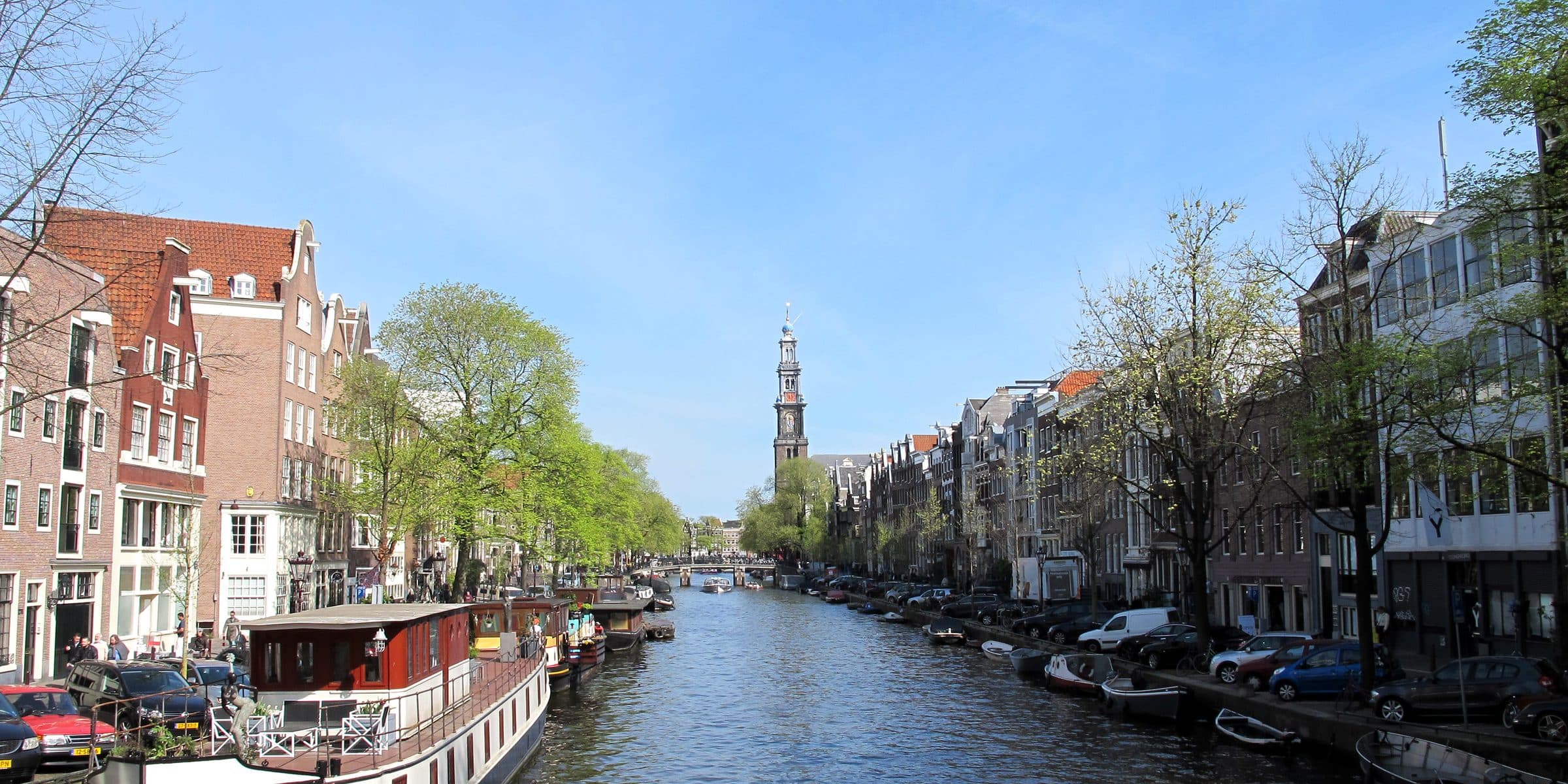
Amsterdam is denser and quieter than its reputation suggests. The canal belt is a single seventeenth-century masterplan you can walk in an afternoon, the museums are among the best in Europe, and the neighbourhoods beyond the ring — De Pijp, Oost, Noord — are where the city actually eats and drinks. Book the museums weeks ahead; everything else works better improvised.
See
The things that would make the trip incomplete without them.
Dutch Golden Age · National museum
Three hours minimum. Start on the second floor with the Gallery of Honour and work backwards.
UNESCO · 17th-century masterplan
Walk Prinsengracht from the Jordaan south. A boat shows you less than your own feet do.
Single-artist collection · Timed entry
Two hundred paintings in chronological order. Book the first slot — it sells out weeks out.
Eat
A short list, kept short on purpose. Each entry answers one question: when is this the right choice?
Where to eat the food this city is actually known for.
French-Flemish · Rotisserie
A school canteen turned dining room. Order the rotisserie chicken and stop deliberating.
No booking, no ceremony, reliably good.
Dutch café · Steak
One famous steak in butter, a terrace and a queue. Exactly as unpretentious as it sounds.
Worth planning the evening around.
Garden restaurant · Own nursery
A working greenhouse with the day's menu grown metres away. Lunch is the better value.
Mornings, and the slow hour between things.
Apple pie · Corner café
The apple pie is not hype. Go on a weekday morning and the queue disappears.
Beyond the obvious
Less obvious, rarely queued for, and usually the part people remember.
Industrial waterfront · Free crossing
The ferry behind Centraal costs nothing and lands you in the least touristed half of the city.
Medieval courtyard · Free
A silent courtyard one door off the busiest shopping street. Residents live here — keep your voice down.
After dark
Brown café · Since 1670
Sawdust, dark wood and three and a half centuries of standing room. The template.
Jenever tasting room · 1679
Bend to the first sip without lifting the glass. There is no other way to do it.
Orientation
How the city is actually divided, and what each part is for.
Narrow canals, galleries, brown cafés
The prettiest walking in the city, and still residential enough to feel real.
Market, terraces, cheap eating
Where the city has dinner. Albert Cuyp market by day, packed terraces by seven.
Stay
Areas rather than hotels — pick the right one and the rest follows.
Central · Characterful
The postcard version, at the postcard price. Rooms are small — that is the building, not the hotel.
Residential · Museums
Fifteen minutes by tram, better value, and the museums on your doorstep.
Practical
Context
Enough to make what you are looking at legible.
A dam on the Amstel gives the settlement its name. The whole centre is built on piles driven into peat.
The Dutch East India Company makes the city the richest port in Europe; the canal belt and its art are financed here.
Occupation and the deportation of three-quarters of the city's Jewish population — the subject of the Anne Frank House and the Jewish Quarter.
Further out
Worth a day if you have one to spare.
Compact old city & the Frans Hals Museum
Amsterdam's centre without Amsterdam's crowds, fifteen minutes away. Add the beach at Zandvoort.
Working windmills on the Zaan
Touristed but genuinely working mills. Go at opening and you get an hour almost alone.